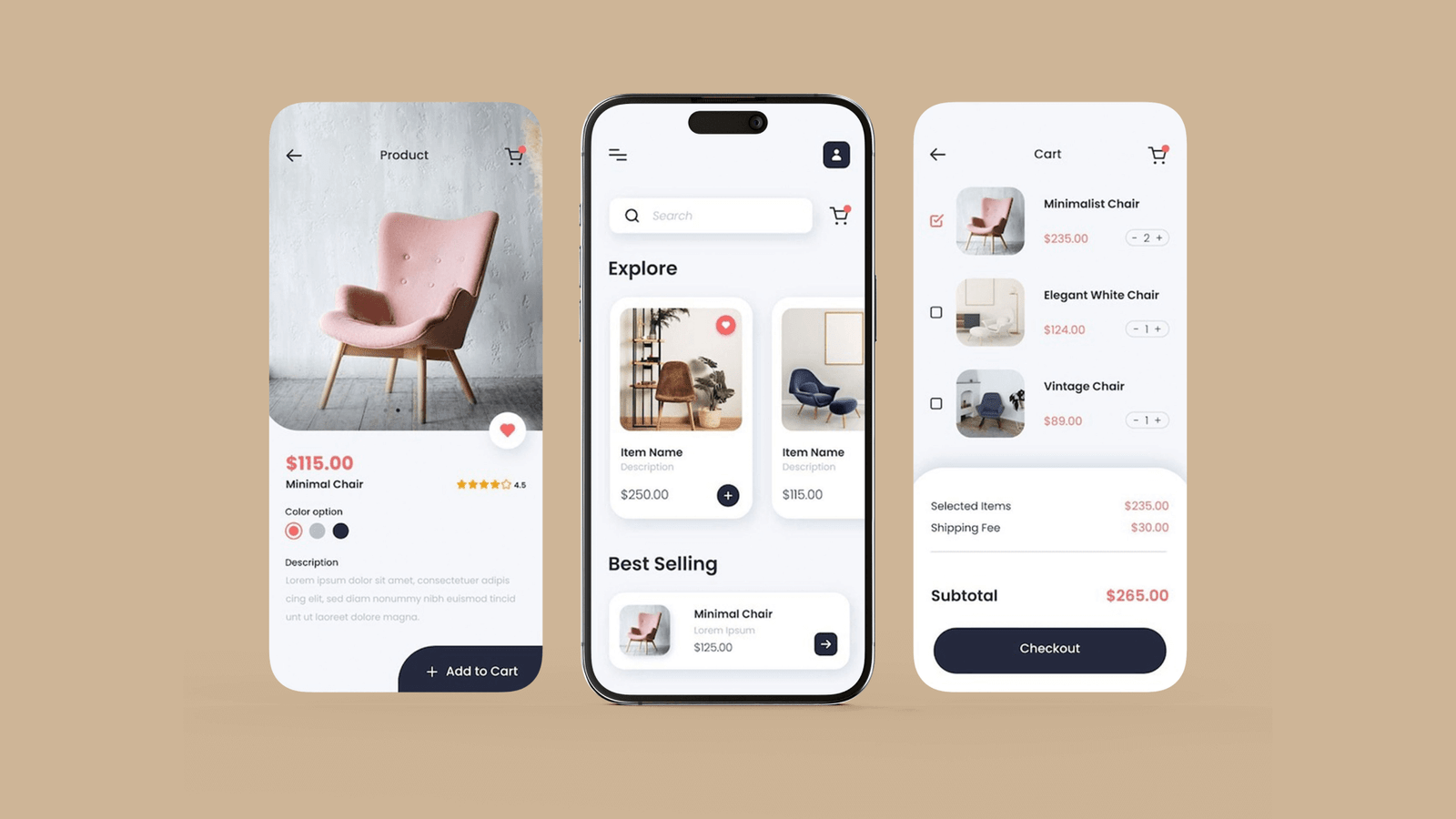
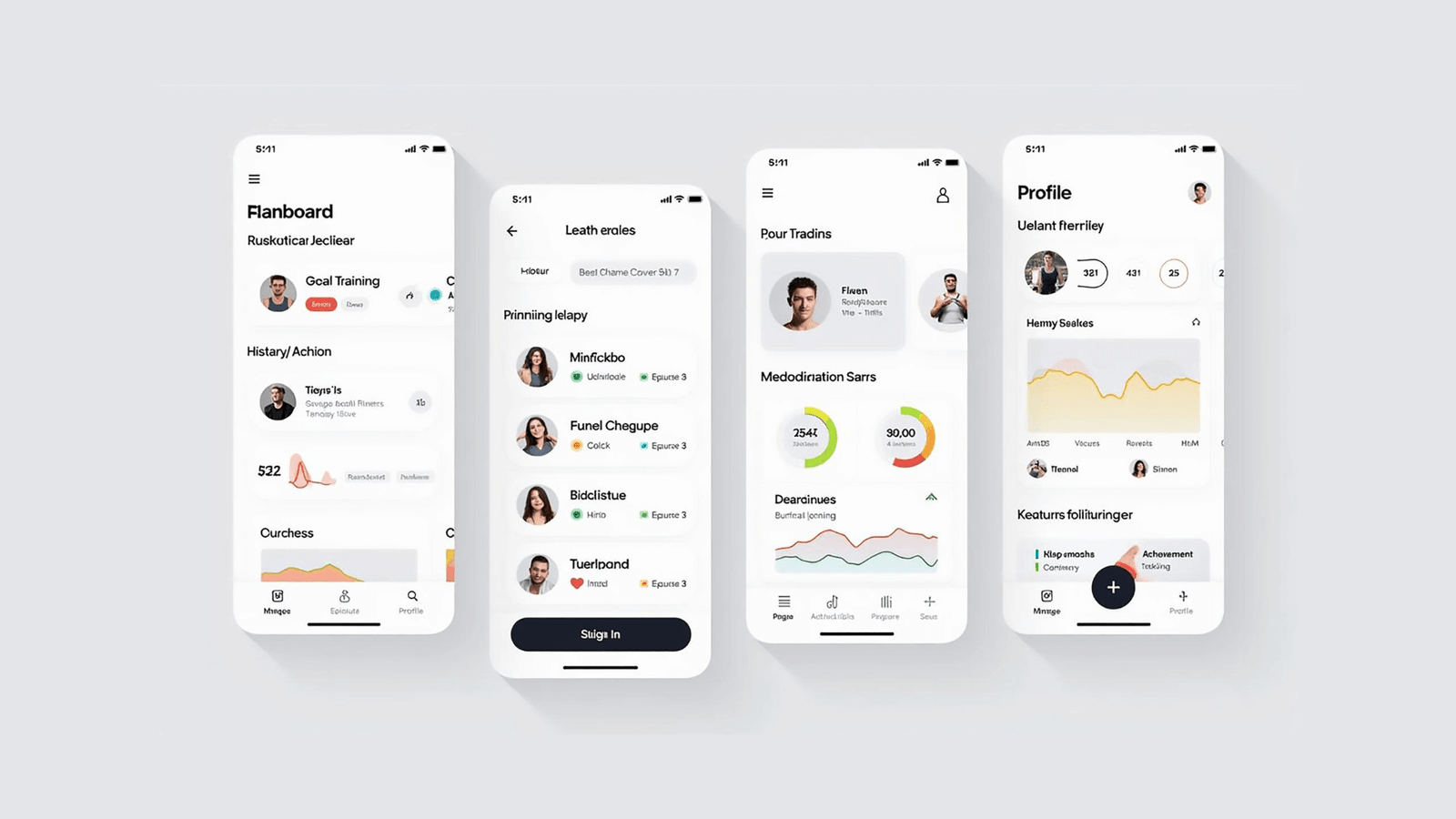
Simple design is often misunderstood. People assume it means fewer screens, less text, or cleaner visuals. But in UX, simple design is not about what you remove. It is about how clearly the product supports the user’s goal. Simple design feels effortless to the user because the team has made thoughtful decisions about structure, hierarchy, wording, and flow.
This article explains why simple design is challenging and how to create it in a practical, repeatable way. No personal stories. No case studies. Just pure UX thinking.
Why Simple Design Is Hard to Build?
Simple design is hard because real simplicity demands clarity at every level. It forces teams to answer questions that are easy to avoid, such as:
- What is the exact outcome the user wants to achieve?
- What information is essential and what creates noise?
- Which decisions should the system make instead of the user?
- Which features belong in the flow and which belong outside it?
Most complexity comes from unclear decisions. When teams do not agree on priorities, the interface becomes a collection of ideas instead of a coherent experience.
The Real Sources of Complexity in Products
Complexity does not appear randomly. It usually comes from:
- Adding new features without considering the whole system
- Trying to satisfy every edge case in the main flow
- Using technical structure instead of user mental models
- Copy that explains instead of guides
- Multiple teams influencing the interface without shared principles
Understanding these sources helps designers prevent complexity instead of reacting to it.
Principles That Make Simple Design Possible
Simple design follows a set of predictable principles. These principles guide decision making and keep the experience aligned with user needs.
Reduce Cognitive Load
Every screen should minimise the amount of thinking required. To do this, designers:
- Reduce choices on each step
- Group related actions
- Use familiar patterns
- Present information in digestible order
Prioritise Using Visual Hierarchy
Hierarchy tells the user what matters. A strong hierarchy:
- Highlights primary actions
- Reduces visual noise
- Uses spacing, contrast, and alignment to guide the eye
Use Clear, Direct Language
Good copy is a core part of simple design. It:
- Removes uncertainty
- Reduces friction
- Makes the next step obvious
Create Predictable Patterns
Predictable design feels easier because users recognise how it works. This means:
- Keeping actions in consistent locations
- Keeping similar interactions across similar screens
- Providing instant feedback after every action
How to Structure a Simple User Flow?
A flow becomes simple when the path matches the user’s mental model.
Designers can achieve this by:
- Defining the primary task first
- Mapping the shortest path to complete it
- Removing intermediate steps unless they add real value
- Combining related tasks to prevent unnecessary navigation
- Ensuring each screen answers one clear question
Simple flows guide the user forward without demanding interpretation.
How to Remove Complexity Without Losing Functionality?
Removing complexity does not mean removing capability. It means structuring capability in a way that supports clarity.
Techniques include:
- Moving advanced settings into secondary layers
- Merging duplicate patterns into one reusable interaction
- Rewriting unclear labels to remove doubt
- Reducing technical wording that overloads the user
- Setting defaults that eliminate decisions users do not need to make
Simplicity depends on intentional structure, not reduced functionality.
How to Validate Whether a Design Is Truly Simple?
A design is simple when users can complete tasks without hesitation.
Validation involves:
- Observing where users pause or re-read text
- Checking which actions they try first
- Measuring time to complete key tasks
- Testing with new users who have no guidance
Signs of true simplicity:
- Users understand the next step without explanations
- They complete tasks quickly
- They rarely make wrong selections
- They describe the experience as clear, easy, or fast
Closing Thoughts
Simple design is not about style. It is about clarity, structure, and thoughtful decision making. Teams who commit to simplicity create products that feel natural, predictable, and easy to use. The work behind simplicity is deep and detailed, but the reward is a product that respects the user’s time and reduces cognitive effort.
Design becomes powerful when it becomes simple.