Turning disconnected campaign steps into one seamless experience
Context
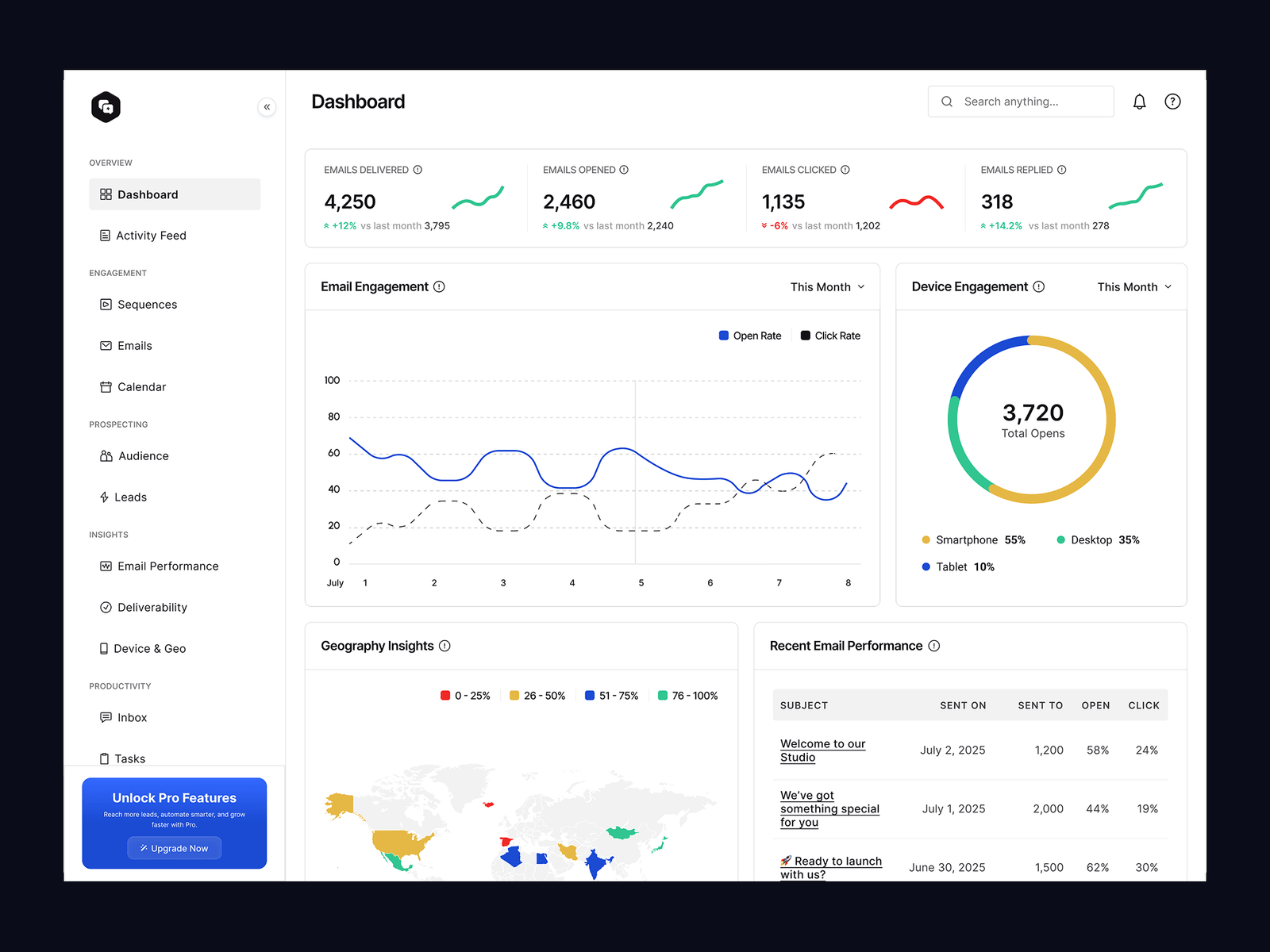
This project focused on improving an outreach system used to create campaigns, track performance, and manage responses.
The product had strong capabilities, but the experience was fragmented. Different parts of the workflow lived in separate sections, making it hard for users to understand what was happening end to end.
The goal was to bring all parts of the workflow into one clear and connected experience.
Target Audience and Personas
The system was used by different roles managing outreach activities:
Outreach Manager (Primary User)
- Creates and manages campaigns
- Needs full visibility into performance
- Struggles when data is spread across multiple screens
Sales / Growth User
- Focused on replies and conversions
- Needs quick access to responses and follow-ups
- Struggles with switching between sections
Operations / Team User
- Monitors campaigns and overall activity
- Needs structured and consistent information
- Struggles with lack of continuity across the system
Key Tension
- Visibility vs overload
- Flexibility vs structure
- Control vs simplicity
All users needed one thing:
A clear view of the entire workflow without switching context.
The Challenge
The existing system created confusion:
- Campaign creation, tracking, and replies were disconnected
- No clear journey from start to finish
- Users had to remember where to go next
- No single place to understand overall status
This resulted in:
- Broken workflow experience
- Increased effort to manage campaigns
- Difficulty tracking performance and responses together
The core problem was not missing features.
It was lack of connection between them.
My Contribution
- Took ownership of improving the outreach workflow experience
- Defined a unified structure connecting all stages
- Simplified how users move between creation, tracking, and response
- Worked closely with product and engineering to align flows
- Contributed to research, interaction flows, and high-fidelity designs
What Process We Followed
Understanding the Problem
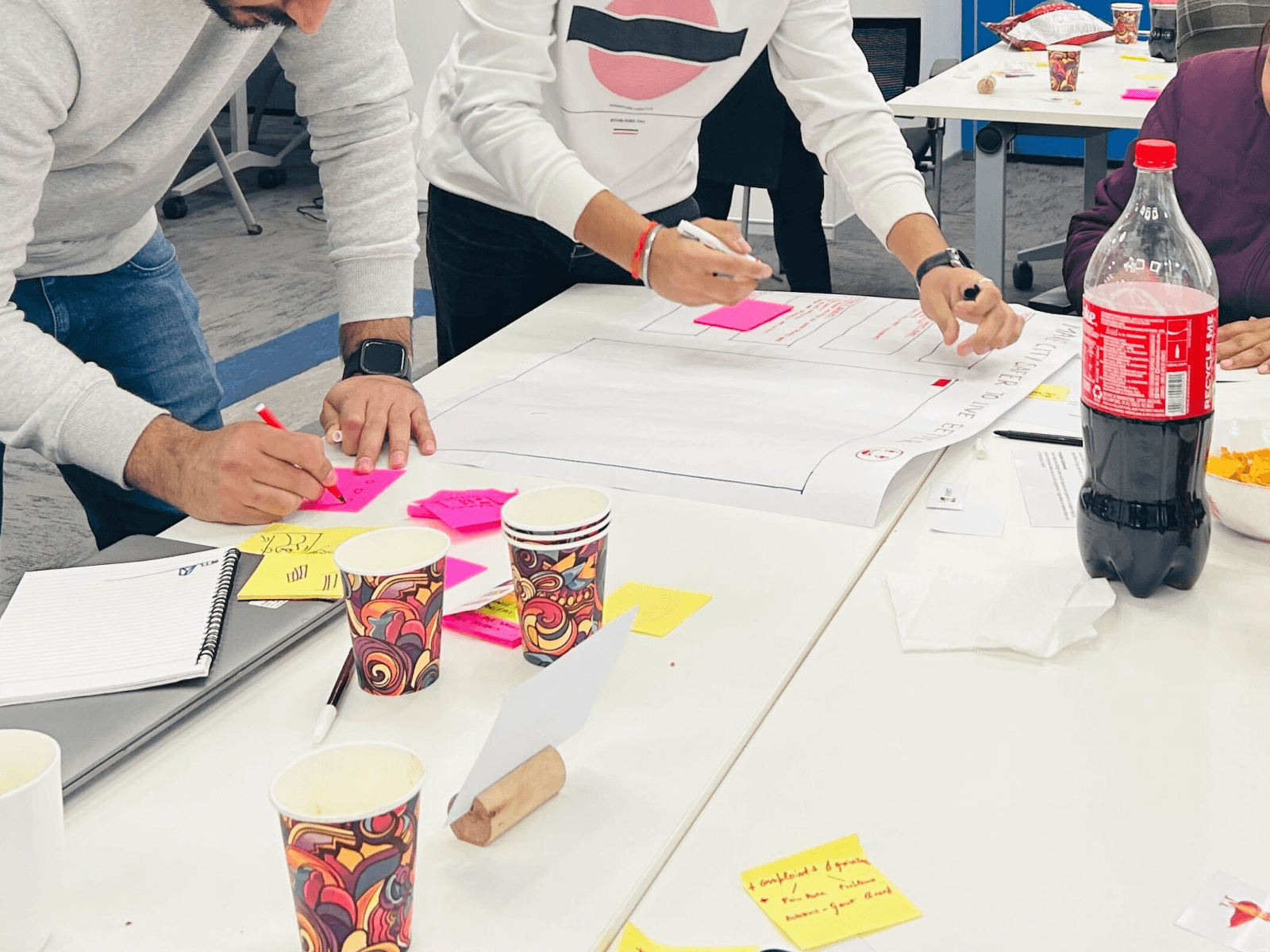
- Mapped the full outreach journey from creation to response
- Identified where users lose context
- Analyzed how users switch between sections
Structuring the Solution
- Connected all stages into a single flow
- Introduced clear hierarchy across screens
- Reduced dependency on navigation between sections
Refining the Experience
- Simplified interactions across steps
- Improved clarity in status and feedback
- Made transitions between stages seamless
Key Decisions and Trade-offs
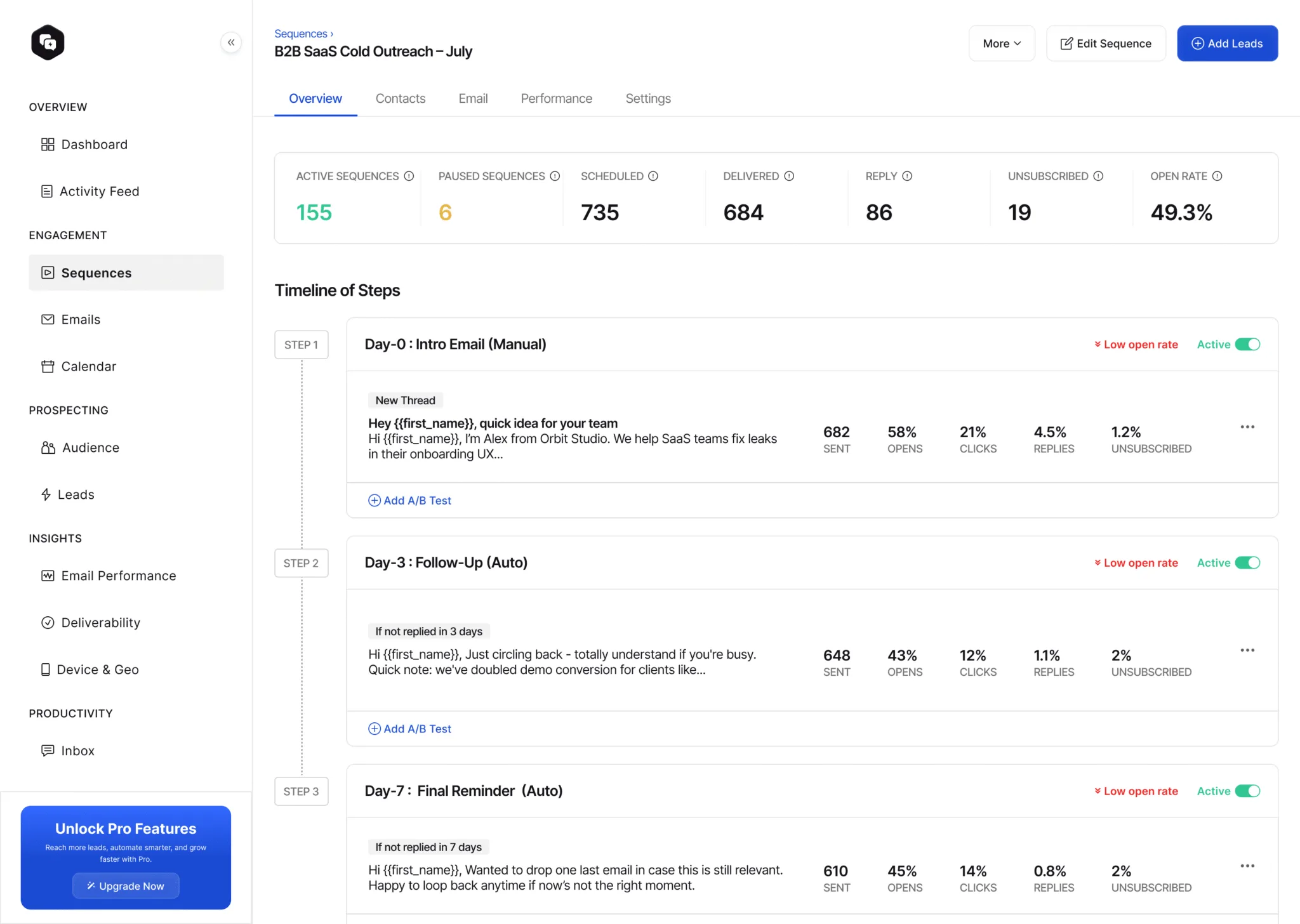
- Moved from feature-based navigation to workflow-based structure
- Reduced fragmentation even if it meant redesigning multiple sections
- Prioritized continuity over exposing all controls at once
- Balanced flexibility with a more guided flow
These decisions helped create a more predictable experience.
Collaboration
- Worked with product to define a unified journey
- Partnered with engineering to restructure flows across modules
- Used real user issues to drive alignment and decisions
Solution Overview
The improved system focused on continuity and clarity:
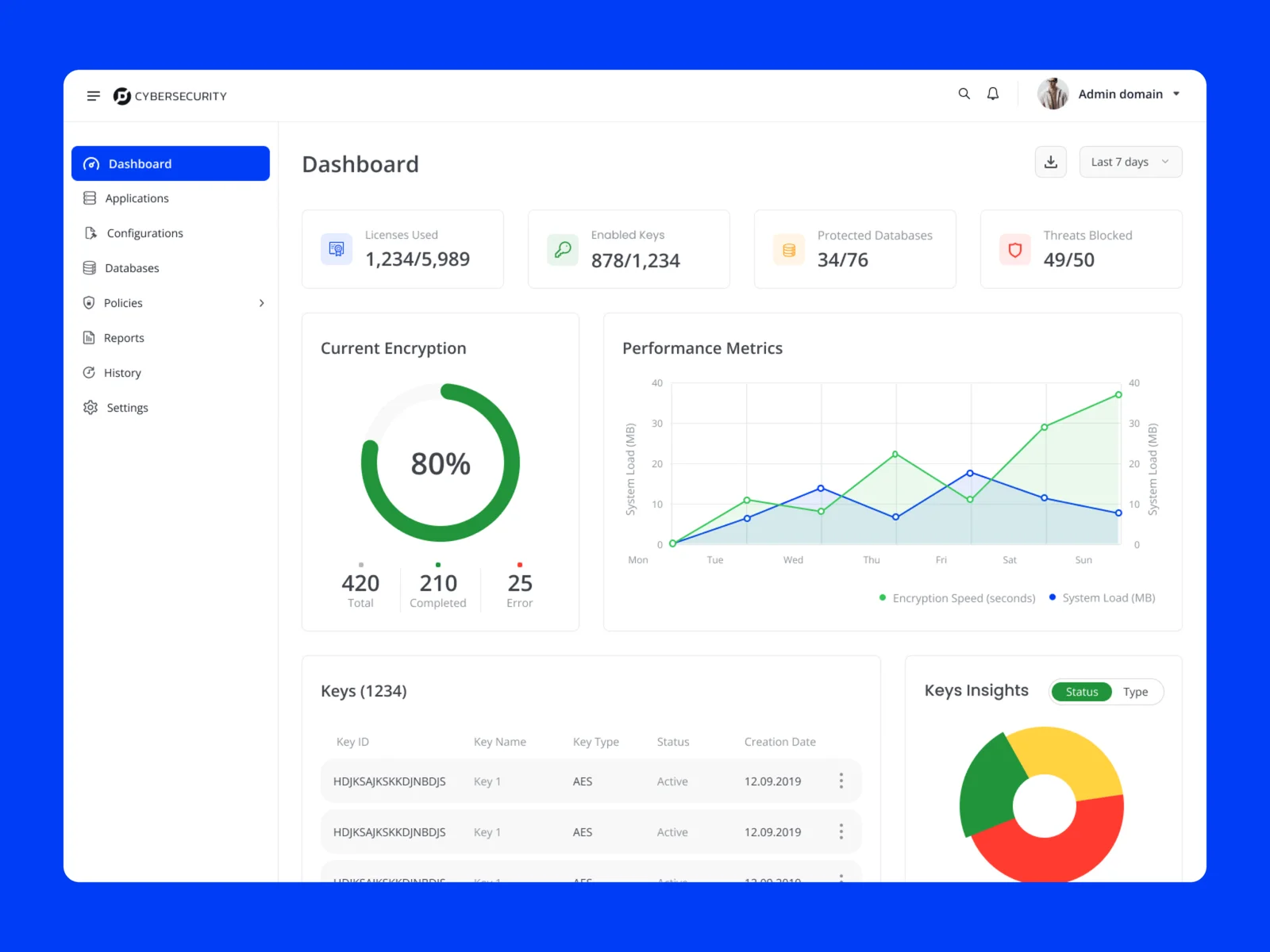
- Single flow connecting all stages of outreach
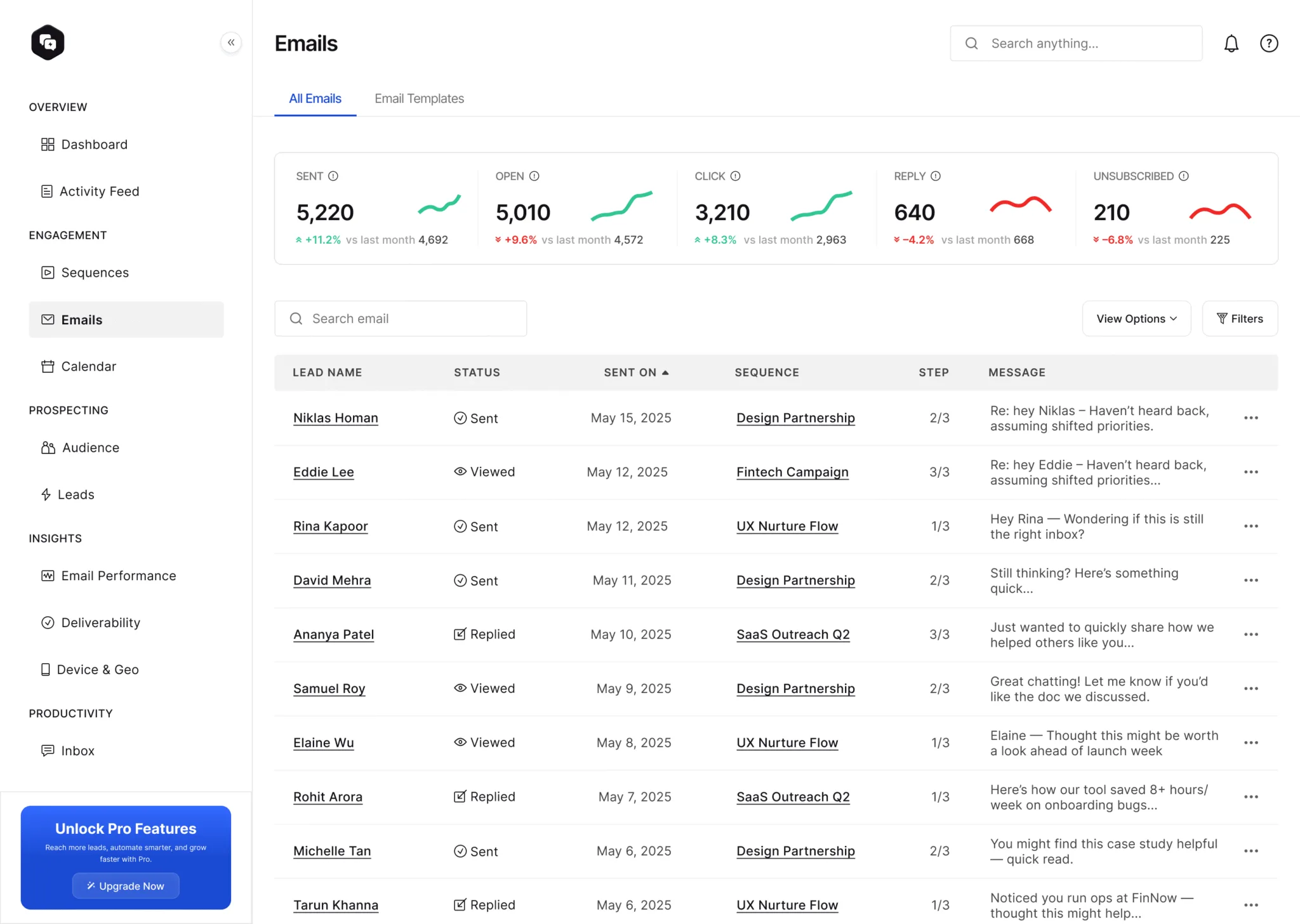
- Clear visibility of campaign status and responses
- Structured layout for better understanding
- Reduced need to switch between sections
- Consistent interaction patterns across the system
The experience now feels connected instead of fragmented.
Outcome
- Users can understand the full workflow in one place
- Reduced effort in managing campaigns
- Improved visibility across stages
- Smoother transitions between actions
Reflections
- Systems fail when users cannot see the full picture
- Connecting flows is more important than adding features
- Good structure reduces the need for navigation
Key Takeaway
Users should not have to think about where to go next.
A clear workflow should guide them automatically.